
Sash & Period Windows in Birmingham
Sash and period windows in Birmingham don't come down to keeping the old ones or putting in plastic. There's a new timber sash, a uPVC sash made to look like timber, slim double glazing in a traditional frame, secondary glazing behind the original, or a careful repair.
Get a Free Quote
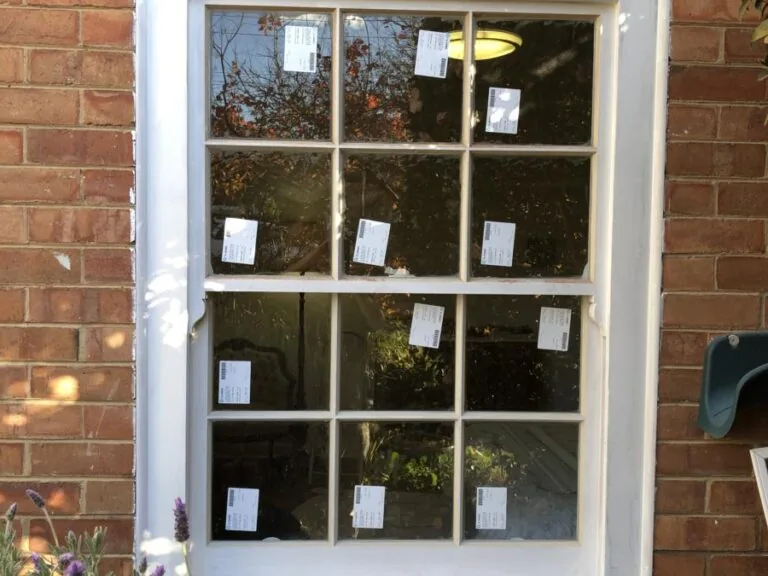
Tell us about the house and we'll arrange a free survey with a local installer, who visits and gives you a written quote.
Sash & Period Windows in Birmingham: The Options
- Timber sash. New sliding sashes made to the old windows' proportions, glazing bars and horns. The closest match, and often the answer where an estate or the council expects timber.
- uPVC sash that looks like timber. Vertical sliders with a woodgrain finish and slim bars. Less upkeep; whether it's acceptable depends on your street and the rules below.
- Slim heritage double glazing. Thin double-glazed units in a traditional-profile frame, keeping the fine glazing bars.
- Secondary glazing or restoration. Keeping the original window, as below.
Period windows aren't only sashes. In Hall Green's School Road estate, built 1933–36, the council's 2002 appraisal records that "Leaded lights were fitted into ground floor bay windows as standard".
A new window, timber or uPVC, is building-regulations work, so ask for the FENSA, CERTASS or other scheme certificate. The usual standard is 1.4 W/m²K or band B. Where meeting that in full would harm a historic building's character, Approved Document L (para 4.10) allows a centre-pane U-value of 1.2 W/m²K, or low-e secondary glazing, instead. Existing trickle vents must be replaced with ones no smaller, and controllable.
Secondary Glazing
Secondary glazing is a slim second window fitted on the room side of the original, which stays in place. Historic England says reversible secondary glazing "does not generally need listed building consent", and that it "can reduce heat loss as effectively as double glazing ... and is even better than double glazing at reducing noise". That makes it a good fit for a listed house or a busy road.
Panels slide, lift out or hinge open for cleaning. On a window someone may need to escape through, the secondary panel must open too, so the escape route stays clear. Ask the installer whether the job needs building-control sign-off rather than assuming it doesn't.
Restoration
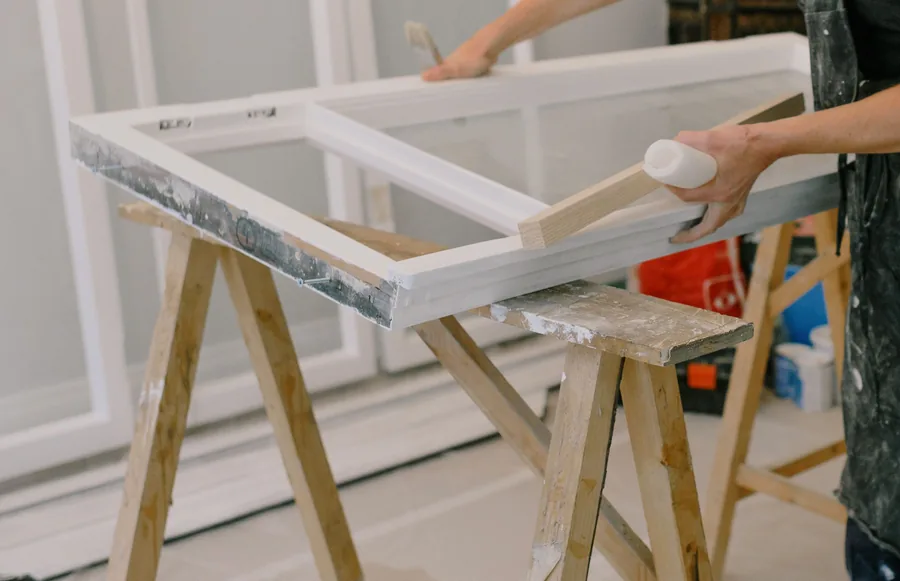
Before replacing a period window, find out whether it can be repaired. Sticking or rattling sashes, snapped cords, draughts and soft timber along the bottom rail are common and often fixable: rotten sections spliced with new timber, cords and beads renewed, and brush seals fitted into the frame. Replacing only the glass, or a sealed unit in its existing frame, isn't building-regulations work, though that doesn't make every repair exempt.
Bournville Village Trust says like-for-like repairs, such as "repairing a window frame", need no application. On other estates, ask the estate office first.
Estate Schemes and Conservation Areas
The Calthorpe Estate
The Calthorpe Estate covers "a large part of Edgbaston, and small areas of Harborne and Quinton". You need its consent in addition to planning permission, for freehold and leasehold homes alike. Its 2024 residents' handbook has no objection to high-quality uPVC, but timber "should always be used" for houses with "special or unique design features". Where uPVC goes in, "particularly in the front elevation", frames must "match the original in colour, style and appearance" with "surface-mounted glazing bars".
Bournville Village Trust
BVT asks for approval of external alterations even where the work is permitted development, and council consent "does not mean that BVT will also grant approval". In the Bournville Village Conservation Area, uPVC is "not permitted to the front and side elevations", while rear uPVC "would be considered", as it is in BVT's other zones. Everywhere, "only external astragal mounted bars are permitted" in Georgian-style windows, and replacements "must match those on the original house". BVT's map shows which zone your street falls in.
On either estate, get consent before you order, because made-to-measure windows usually can't be cancelled once ordered. See estate schemes.
Conservation Areas and Article 4
There are 29 conservation areas in Birmingham. A house in one usually keeps the right to fit replacement windows of a similar appearance without planning permission, unless an Article 4 direction removes it. Where one applies, the council says "even minor residential alterations, for example … replacing windows … will require planning permission". Two examples:
- Moor Pool, Harborne. A direction covers "every residential property throughout the whole of the Moor Pool Estate", and the council's appraisal says "It is unlikely that uPVC windows would be considered acceptable."
- Moseley. The direction applies to certain houses on named streets only: Amesbury Road, Chantry Road, Church Avenue, Park Hill and Salisbury Road. In 2005 the council's advice guide said uPVC, double-glazed, metal and stained hardwood windows "are not allowed" there. Ask the council how that applies now.
Moseley's 2005 appraisal also notes that "some sash windows have been replaced with hinged casements". See conservation areas for the rest of the city.
Listed Buildings
Historic England says replacing windows on a listed building "will always require" listed building consent. Doing the work without it is a criminal offence under section 9 of the Planning (Listed Buildings and Conservation Areas) Act 1990. See listed buildings.
This is general information, not advice. Check your own windows with the council and, where one applies, the estate office, and read our guide to planning permission.
What Changes the Price
- Replace, restore or add secondary glazing. Three very different jobs.
- Timber or uPVC, and the finish.
- Glazing bars, especially where they must be external.
- Size, number and floor level of the windows.
- Consents from the council or an estate, which add time.
Sash prices sit alongside the other window types in our guide to double glazing costs.
Getting a Quote
1. Call or send the form: say what the windows are now, what you'd like, and whether the house is listed, in a conservation area or on an estate scheme. 2. A local installer arranges a free survey to look at the windows and measure up. 3. You get a written quote to compare. You're under no obligation to accept it.
Read how to choose an installer before you sign.
Related Services
For newer houses, see uPVC windows and aluminium windows. A period front door often goes with the windows: see composite doors.
Areas We Cover
Edgbaston, Bournville, Moseley, Harborne, Kings Heath, Kings Norton and the rest of Birmingham. see all service areas
Common Questions
Can I fit uPVC sash windows in a conservation area?
It depends on the street. Most houses keep the right to fit windows of a similar appearance, but an Article 4 direction removes it, and estate schemes add their own rules. Check before you order.
Can secondary glazing keep a period home as warm as double glazing?
Historic England says it can reduce heat loss as effectively as double glazing and is even better at reducing noise, while keeping the original window.
Do sash and period windows in Birmingham need estate consent?
Where the Calthorpe Estate or Bournville Village Trust scheme covers the house, yes, as well as any planning route.
Free Quotes for Sash & Period Windows
Tell us your postcode and what needs doing. One installer who works across Birmingham will arrange to measure up and send you a written price.